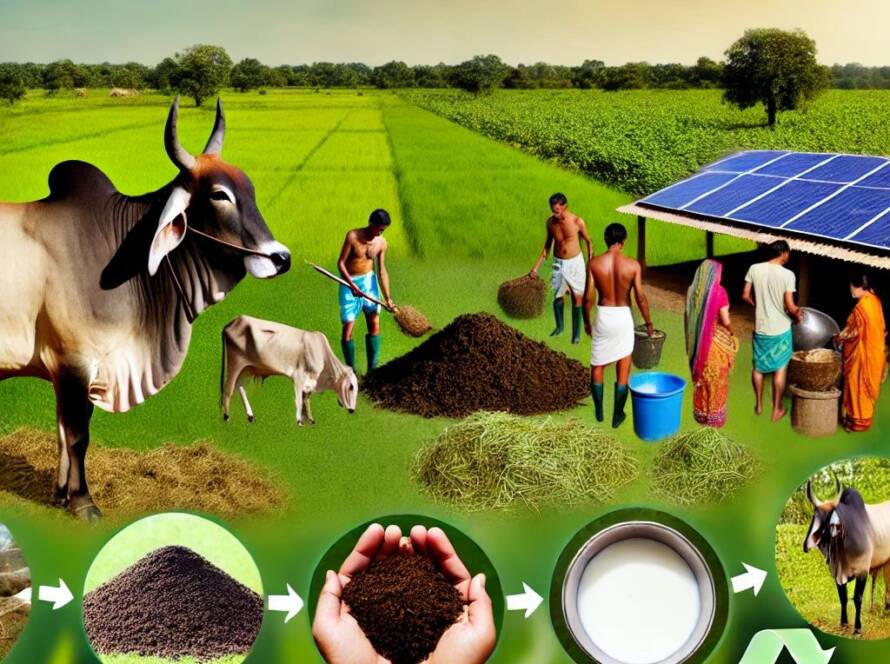
In a rapidly changing world where technology and modernity often overshadow tradition, it’s crucial to bridge the gap between the youth and their cultural heritage. In India, where the cow is venerated as Gau Mata (Mother Cow), this connection is particularly significant. The cow represents not just a source of sustenance but also a symbol of respect, non-violence, and ecological balance. However, as the younger generation becomes more distant from rural life and agricultural traditions, there is a growing need to engage them in the conservation of Gau Mata and its role in preserving the environment and cultural identity.
Engaging youth in the conservation of cows, particularly in the context of India’s deeply rooted agricultural practices, can serve as a catalyst for a more sustainable and compassionate future. By connecting the younger generation to the cultural, ethical, and environmental significance of Gau Mata, we can foster a sense of responsibility and pride in preserving this ancient tradition.
The Cultural Importance of Gau Mata
In Hindu culture, cows are revered as sacred and are considered symbols of fertility, abundance, and compassion. The term Gau Mata reflects the belief that cows are the “mother” of human sustenance, as they provide essential resources like milk, dung, and urine, which contribute to nutrition, organic farming, and even medicinal practices. This reverence for cows extends beyond religious rituals—it plays an integral role in sustainable farming practices, rural economies, and ecological preservation.
Unfortunately, in today’s urbanized society, many young people are disconnected from the traditional practices that uphold cow welfare and conservation. With the rapid growth of industrial farming and the shift away from agrarian lifestyles, it becomes increasingly important to educate the youth about the deep cultural and environmental significance of Gau Mata. This education can not only preserve the cultural heritage but also ignite a passion for sustainable farming and animal welfare.
The Role of Education in Engaging Youth
The first step in engaging young people in the conservation of Gau Mata is through education. Schools, colleges, and community organizations play a crucial role in providing young people with the knowledge and understanding of the importance of cows in India’s agricultural and ecological systems. By incorporating lessons on organic farming, ethical animal treatment, and the environmental benefits of cow-based agriculture into the curriculum, educators can help instill a sense of responsibility for the preservation of this cultural and ecological legacy.
In addition to formal education, there is a growing movement of youth-driven initiatives that emphasize the importance of preserving Gau Mata. Young people are increasingly joining agricultural cooperatives, non-governmental organizations (NGOs), and social enterprises that focus on sustainable farming and animal welfare. By getting involved in these grassroots efforts, the youth can see firsthand the positive impact of cow conservation and experience the direct relationship between cows and environmental sustainability.
Modernizing Tradition: Using Technology to Connect with Youth
While tradition remains central to cow conservation, the integration of modern tools and technology can help engage the younger generation in innovative ways. Social media, apps, and online platforms can be powerful tools for raising awareness about the importance of Gau Mata and sustainable farming practices. These platforms allow young people to share their experiences, connect with experts, and promote initiatives that champion cow welfare.
Furthermore, documentaries, webinars, and online courses can provide an engaging and informative way for young people to learn about traditional farming methods and the role of cows in sustainable agriculture. By making the conservation of Gau Mata relatable and accessible through digital media, youth can find new avenues to connect with the tradition while using their technological skills to advocate for its preservation.
The Role of Youth in Sustainable Farming and Cow Protection
The younger generation has a unique opportunity to revitalize traditional practices while aligning them with modern sustainability goals. Many young farmers are now adopting organic farming techniques that involve cow-based manure for fertilization, reducing dependence on chemical fertilizers and promoting soil health. Additionally, youth-led initiatives such as cow sanctuaries, where cows are rescued and rehabilitated, are gaining traction in India and across the globe.
Young people today are increasingly aware of environmental challenges like climate change and deforestation, and they are looking for ways to make a positive impact. The conservation of Gau Mata offers a powerful and tangible way for youth to contribute to ecological balance. By supporting cow welfare, youth can help mitigate the environmental degradation caused by industrial farming, preserve biodiversity, and ensure that farming practices remain ethical and sustainable.
A Call to Action: Involving Youth in the Future of Gau Mata Conservation
As we look toward the future, it’s essential that we create opportunities for youth to actively participate in the conservation of Gau Mata. This can be achieved through internships, volunteer programs, and educational workshops that give young people hands-on experience in cow protection and sustainable farming. Involving youth in decision-making processes around animal welfare and agricultural policy will also ensure that future generations continue to prioritize environmental stewardship.
At the same time, it’s crucial to recognize that youth engagement in cow conservation is not just about preserving the past but about shaping a sustainable future. The younger generation is already leading the way in advocating for the planet’s well-being, and by nurturing their connection to Gau Mata, we can create a more compassionate, sustainable, and ecologically responsible world.
Conclusion
Engaging youth in the conservation of Gau Mata is not just about preserving a tradition—it’s about ensuring the future of our environment, our agricultural systems, and our ethical values. By empowering young people with knowledge, giving them opportunities to engage in sustainable practices, and incorporating modern technology into the conversation, we can create a global movement that honors the sacredness of cows while promoting environmental sustainability. As we move forward, the next generation has the potential to drive meaningful change, preserving Gau Mata as a symbol of both cultural heritage and ecological harmony.